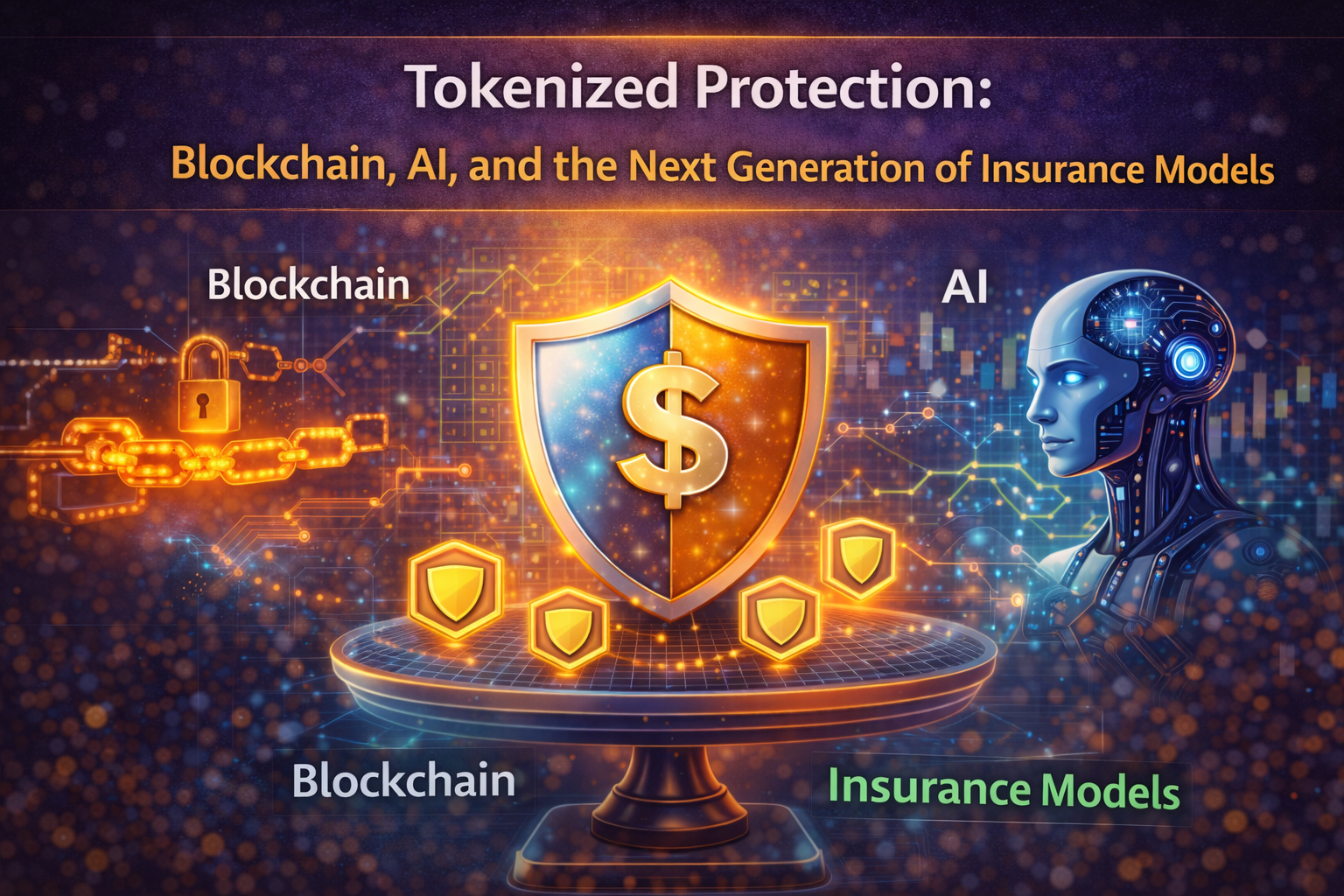
The insurance industry is undergoing a profound technological transformation. Traditionally characterized by paperwork, slow claims processes, and complex risk assessments, the sector is now embracing digital innovation to improve efficiency, transparency, and accessibility. Among the most disruptive forces reshaping insurance are blockchain technology, artificial intelligence (AI), and tokenization — a combination that is paving the way for a new generation of insurance models built for the digital economy.
These technologies are not merely modernizing existing systems; they are redefining how risk is assessed, how policies are structured, and how trust is established between insurers and policyholders. As financial ecosystems become increasingly digitized, insurance is evolving from rigid, centralized frameworks into flexible, automated, and decentralized protection networks.
Understanding Tokenized Protection
Tokenization refers to the process of converting real-world assets, rights, or services into digital tokens that exist on a blockchain. In the context of insurance, tokenization can represent policies, claims, coverage rights, or even risk pools as programmable digital assets.
These tokens can be securely transferred, verified, and managed without the need for traditional intermediaries. Because blockchain networks maintain immutable records, all transactions are transparent and tamper-resistant. This ensures that policy ownership, premium payments, and claims histories are securely stored and easily verifiable.
Tokenized insurance introduces greater flexibility. Policies can be customized, divided, or transferred between parties more easily than traditional contracts. Microinsurance products — designed for short-term or highly specific risks — become more practical when coverage can be issued instantly through digital tokens.
Blockchain as the Foundation of Trust
Trust is central to the insurance industry. Policyholders must believe claims will be paid fairly, while insurers must ensure that risks are accurately assessed. Blockchain technology enhances this trust by providing decentralized and transparent record-keeping systems.
Smart contracts — self-executing agreements coded onto blockchain platforms — can automate claims processes. When predefined conditions are met, payments can be triggered automatically without manual intervention. For example, flight delay insurance could instantly compensate travelers if real-time flight data confirms a delay.
This automation reduces administrative costs, minimizes disputes, and accelerates payouts. Furthermore, because blockchain records cannot be easily altered, fraudulent claims become more difficult to execute.
Decentralized systems also reduce reliance on centralized databases, which are vulnerable to cyberattacks. By distributing data across multiple nodes, blockchain improves resilience and security in insurance infrastructures.
Artificial Intelligence in Risk Assessment
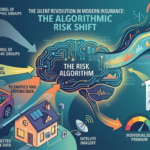
Artificial intelligence plays a critical role in modern insurance models by transforming how risk is evaluated. Traditional underwriting relied heavily on historical statistics and generalized risk categories. AI systems, however, can analyze massive datasets in real time, identifying patterns that human analysts may overlook.
Machine learning algorithms evaluate diverse data sources such as behavioral trends, environmental conditions, health records, and even satellite imagery. This enables more accurate and dynamic pricing models tailored to individual risk profiles.
AI also enhances fraud detection. Suspicious patterns in claims, unusual transaction behaviors, and inconsistencies in documentation can be identified instantly. By reducing fraud, insurers can lower operational losses and potentially offer more competitive premiums.
Additionally, AI-powered chatbots and digital assistants improve customer service by providing instant support, policy explanations, and claims updates.
Personalized and On-Demand Coverage
The integration of blockchain and AI allows insurers to move toward personalized and usage-based insurance models. Instead of fixed annual policies, customers can obtain on-demand coverage tailored to specific situations.
For instance, drivers could activate short-term car insurance only when using a vehicle. Travelers might purchase micro-policies covering individual trips. Freelancers could secure project-based liability coverage that activates only during contract periods.
This flexibility benefits both insurers and consumers. Policyholders pay only for coverage they actually use, while insurers can manage risk more precisely through real-time data analysis.
Reducing Operational Costs and Expanding Access
Automation and decentralization significantly reduce administrative expenses in the insurance industry. Claims processing, policy issuance, compliance verification, and data management become faster and more efficient through digital systems.
Lower operational costs create opportunities to expand insurance access to underserved populations. In many developing regions, traditional insurance is inaccessible due to high administrative expenses and lack of financial infrastructure.
Blockchain-based microinsurance platforms can offer affordable coverage using mobile technology, reaching individuals who previously lacked protection against economic shocks.
Challenges and Regulatory Concerns
Despite its promise, tokenized insurance faces regulatory and technical challenges. Legal frameworks in many countries have not yet adapted to decentralized financial systems. Questions regarding digital asset ownership, cross-border compliance, and dispute resolution remain unresolved.
Data privacy is another concern. While blockchain ensures data integrity, sensitive personal information must be carefully protected. Insurers must balance transparency with confidentiality requirements.
Technological complexity also presents barriers. Implementing blockchain infrastructures and AI systems requires significant investment and specialized expertise. Smaller insurers may struggle to compete without partnerships or technological support.
A Hybrid Future for Insurance
The future of insurance is unlikely to be fully decentralized or entirely automated. Instead, hybrid models that combine technological innovation with human oversight are expected to dominate.
While smart contracts can automate routine processes, human experts remain essential for interpreting complex legal disputes and managing exceptional cases. AI systems support risk analysis, but human judgment ensures ethical considerations and regulatory compliance.
Collaboration between insurers, technology firms, and regulators will be crucial for building secure and transparent ecosystems that benefit both businesses and consumers.
Conclusion
Tokenized protection represents a fundamental shift in how insurance operates within digital economies. Blockchain provides transparent and secure infrastructures, artificial intelligence enhances risk modeling and operational efficiency, and tokenization enables flexible and accessible coverage models.
Together, these technologies are redefining insurance as a more automated, personalized, and inclusive financial service. While challenges remain, the convergence of blockchain and AI is creating innovative protection systems better suited for modern economic realities.
As digital transformation accelerates, insurers that embrace these technologies will be better positioned to deliver efficient, trustworthy, and customer-centered solutions in an increasingly interconnected world.