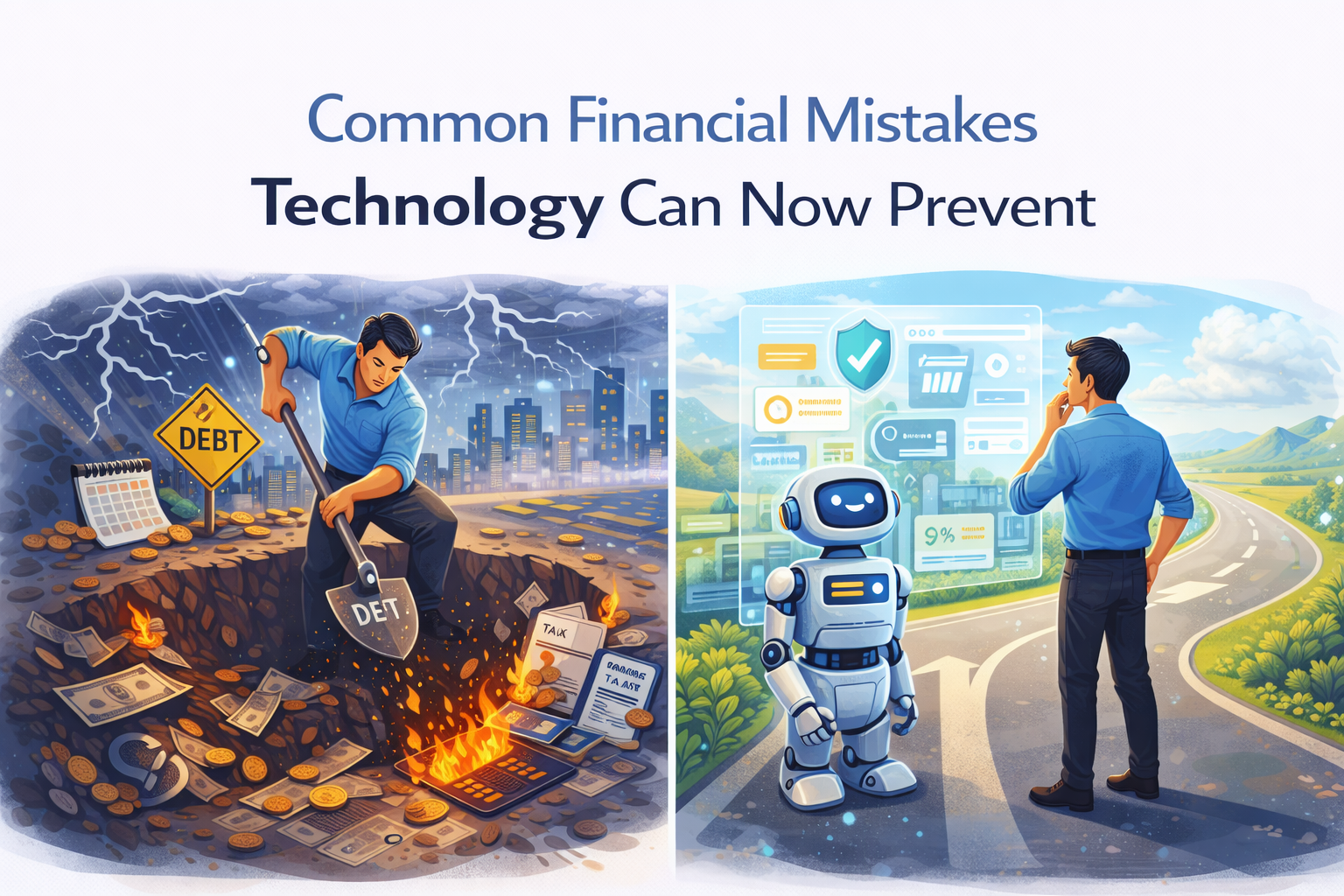
Financial mistakes often repeat over time. Spending without control, taking on debt without planning, or failing to save for the future are problems affecting millions. The good news is that many of these errors can now be avoided thanks to technology.
Digitalization and Artificial Intelligence (AI) have changed how we manage money. While they don’t eliminate risk entirely, they offer tools capable of detecting flaws, anticipating problems, and improving financial decision-making.
The Error of Not Knowing Where the Money Goes
One common mistake is a lack of clarity regarding expenses. Many people believe they know what they spend, but real numbers often reveal constant “money leaks.” Current technology allows users to:
- Automatically record expenses.
- Categorize consumption.
- Detect unnecessary or duplicate charges. When money is clearly visualized, control is regained. This simple shift significantly impacts financial health.
Spending More Than You Earn
Living beyond one’s means is frequent in digital environments where consumption is immediate. Online shopping, subscriptions, and one-click payments facilitate mindless spending. Today, financial tools alert users when spending exceeds income or when the monthly budget is at risk. Technology doesn’t stop spending, but it fosters conscious consumption.
The Necessity of an Emergency Fund
A grave error is lacking a cushion for the unexpected. Illness, repairs, or income loss can spark a crisis without a backup. Digital platforms now allow for automated saving, setting aside a portion of income effortlessly. This moves saving from a matter of willpower to a consistent habit.
Understanding the Real Impact of Debt
Quick access to digital credit has eased borrowing but increased financial blunders. Many accept loans without analyzing rates or long-term consequences. Modern tools simulate debt scenarios, showing:
- The total amount actually paid.
- Impact on the monthly budget.
- Consequences of late payments. Visualizing this reduces impulsive decisions and promotes responsible credit use.
The Psychology of Digital Traps and Cyber-Risks
As we transition to smart finance, we must address behavioral economics. Digital interfaces are often designed with “nudges” that encourage spending. Recognizing these psychological triggers is vital. Furthermore, a modern financial error is neglecting cybersecurity. In a digital-first world, failing to use two-factor authentication or using weak passwords is a financial risk.
Protecting your digital identity is now as important as balancing a checkbook. Smart finance involves auditing your digital footprint to prevent fraud, identity theft, and unauthorized access to your wealth. Integrating security protocols into your daily routine ensures that your technological efficiency isn’t undermined by preventable vulnerabilities.
Long-Term Planning and Emotional Decisions
Thinking only of the present is a habitual trap. Technology now allows for setting goals, tracking progress, and adjusting strategies over time. Moreover, AI helps reduce the emotional impact of fear or euphoria by basing recommendations on data patterns rather than moods. This is especially useful during economic uncertainty.
Ignoring Small Leaks and Lack of Protection
Repeated small expenses—unnecessary subscriptions or hidden fees—have a massive long-term impact. Digital tools make these visible. Similarly, many underestimate financial protection. Technology now allows users to analyze real protection needs and compare insurance options, ensuring informed decisions.
Digital Financial Education: The Ultimate Shield
A rising error is using financial tools without understanding them. While technology advances quickly, education must keep pace. Digital educational platforms help simplify complex concepts. Knowledge remains the best protection.
Technology with Criteria
Technology does not replace personal responsibility. Blindly trusting automated systems is an error in itself. The key is combining:
- Technology
- Financial Education
- Critical Thinking
This balance allows users to leverage digital advantages without losing control of their money.
Conclusion: Fewer Errors, Better Decisions
Financial mistakes are part of learning, but many are now preventable. Used wisely, technology doesn’t just avoid errors; it builds a healthier, more conscious relationship with money. In a digital world, these tools mark the difference between instability and economic peace of mind.