The Digital Financial Advisor: How Technology is Democratizing Wealth Management
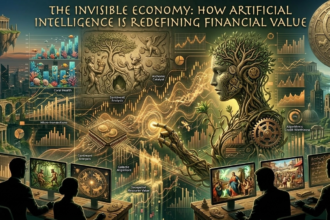
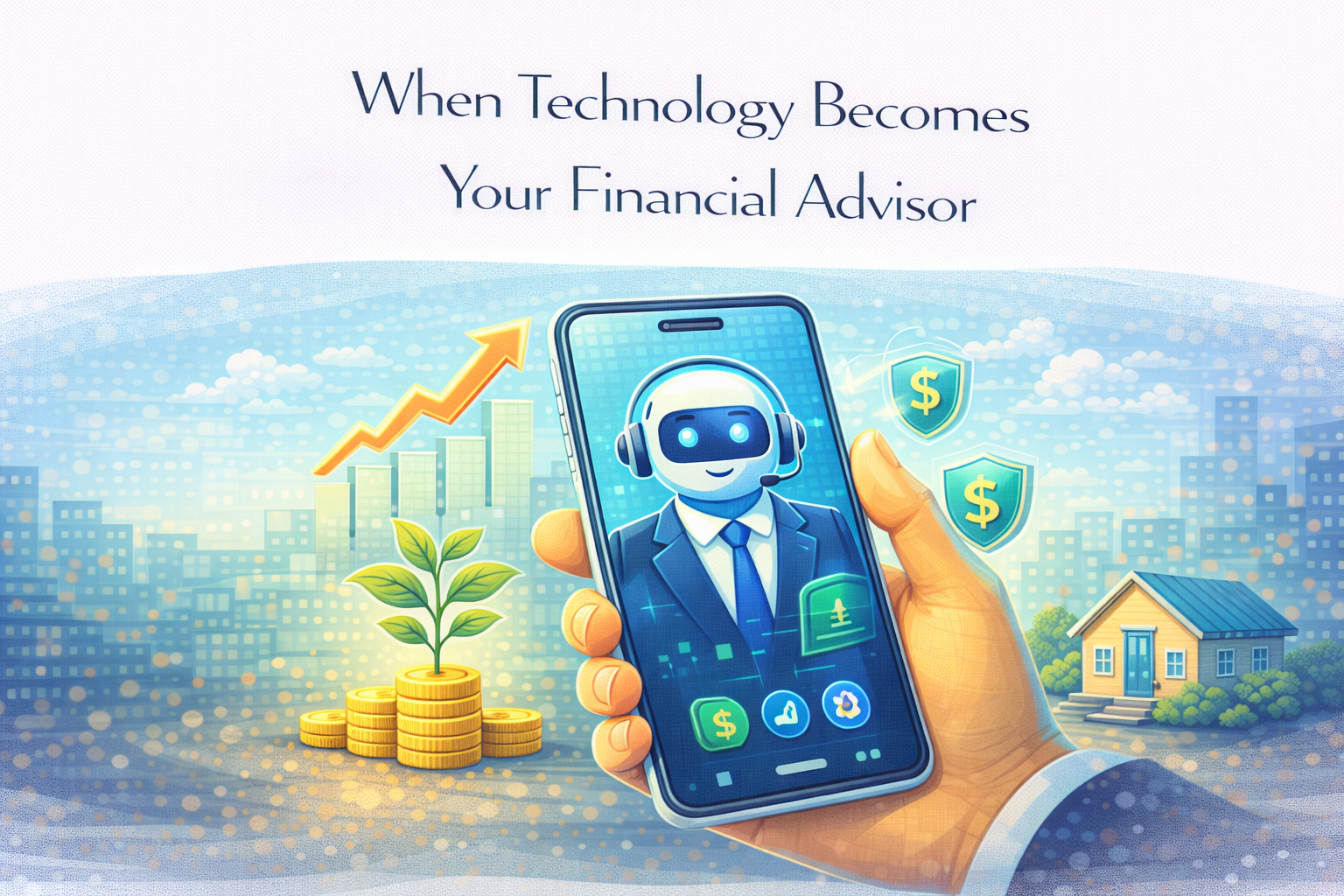
For decades, access to professional financial advice was a privilege reserved for those who could afford private consultants or possessed significant net worth. Today, technology has completely upended that landscape. Applications, complex algorithms, and Artificial Intelligence (AI) now put advanced tools for analysis, planning, and investment within anyone’s reach via their smartphone. In this new scenario, technology is no longer just a tool; it is evolving into a true Digital Financial Advisor.
From Human Counsel to Intelligent Algorithms
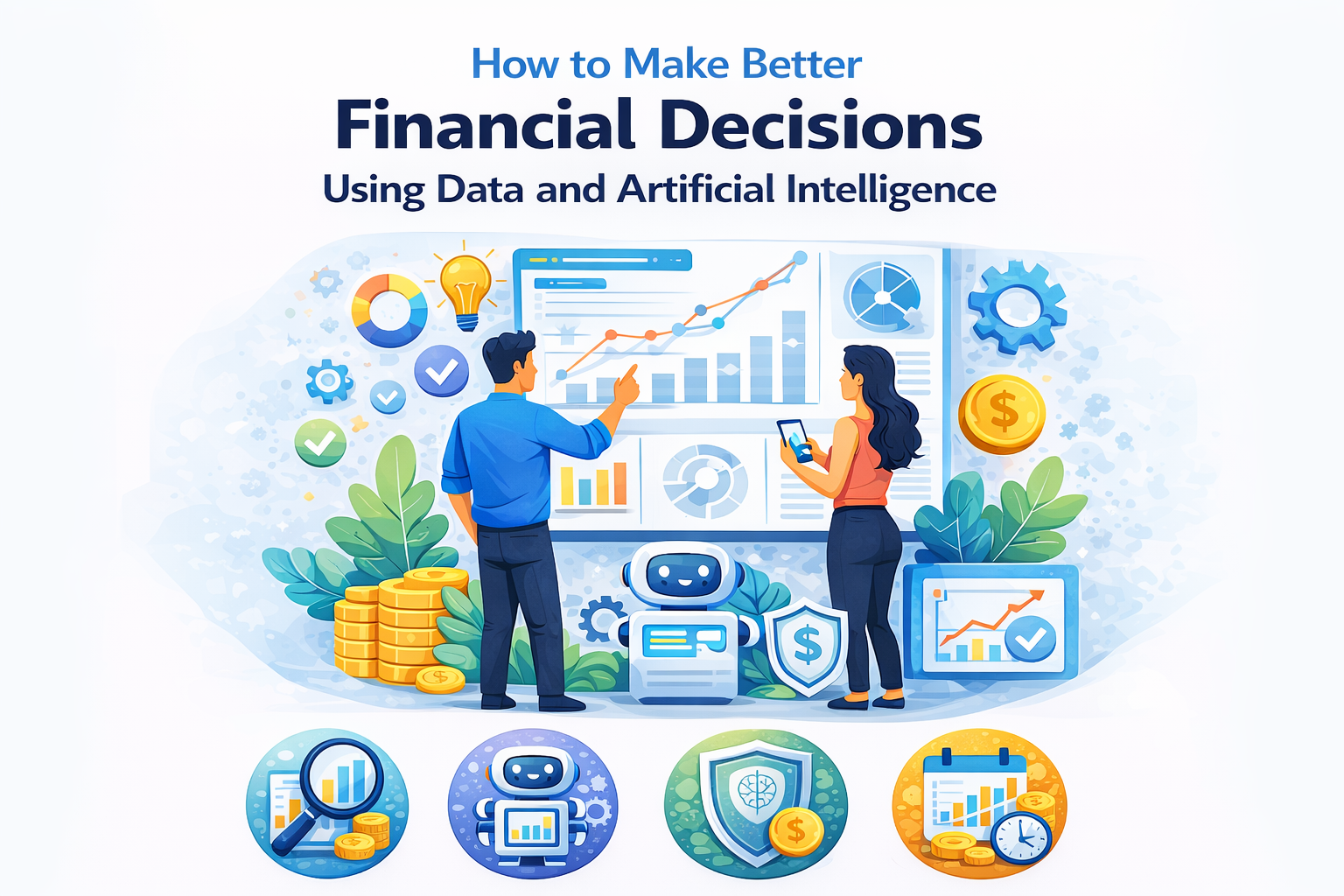
Traditionally, a financial advisor manually evaluated your profile, income, and goals to recommend products. Currently, many of these labor-intensive processes are performed by automated systems that analyze vast volumes of data in seconds. These systems compare thousands of potential market scenarios, evaluate multi-dimensional risks, and adjust strategies in real-time.
A prime example is the rise of Robo-advisors: platforms that use psychometric questionnaires and sophisticated mathematical models to construct personalized investment portfolios. These systems automatically rebalance holdings based on market shifts and the user’s risk tolerance. This transition significantly reduces management costs, eliminates human emotional biases, and effectively democratizes access to sophisticated global markets.
However, we must address the “Black Box” Risk inherent in automated advice. As algorithms become more complex, it becomes harder for the average user—and sometimes even the developers—to understand the specific logic behind a sudden portfolio shift. To mitigate this, the next generation of digital advisors is moving toward Explainable AI (XAI). This technology doesn’t just give a recommendation; it provides a transparent “logic trail” explaining why a specific action was taken. This transparency is crucial for building long-term trust, ensuring that the user remains an informed participant rather than a passive observer of their own financial destiny.
Hyper-Personalization at Scale and Behavioral Logic
One of technology’s greatest contributions is Mass Financial Personalization. Previously, only “High Net Worth Individuals” received bespoke strategies. Today, algorithms can tailor recommendations for millions of users simultaneously by analyzing:
- Real-time spending habits and discretionary leaks.
- Recurring income patterns and seasonal fluctuations.
- Micro-adjustments in risk appetite based on life stages.
Digital platforms now act as a “Financial GPS,” alerting you when your spending deviates from your long-term objectives. This is a shift from static, annual reviews to Dynamic and Continuous Advisory.
Furthermore, digital advisors are designed to counter “Choice Overload.” Behavioral science shows that when presented with too many investment options, humans often freeze and do nothing. Digital advisors solve this by using Nudge Theory—limiting choices to the most relevant options and guiding the user toward the “path of least resistance” for saving and investing. By automating the “good habits,” technology removes the “Willpower Tax” that often leads to financial failure. It makes the right decision the easiest decision, effectively engineering financial success into the user’s daily digital routine.
Data-Driven Decisions vs. Emotional Volatility
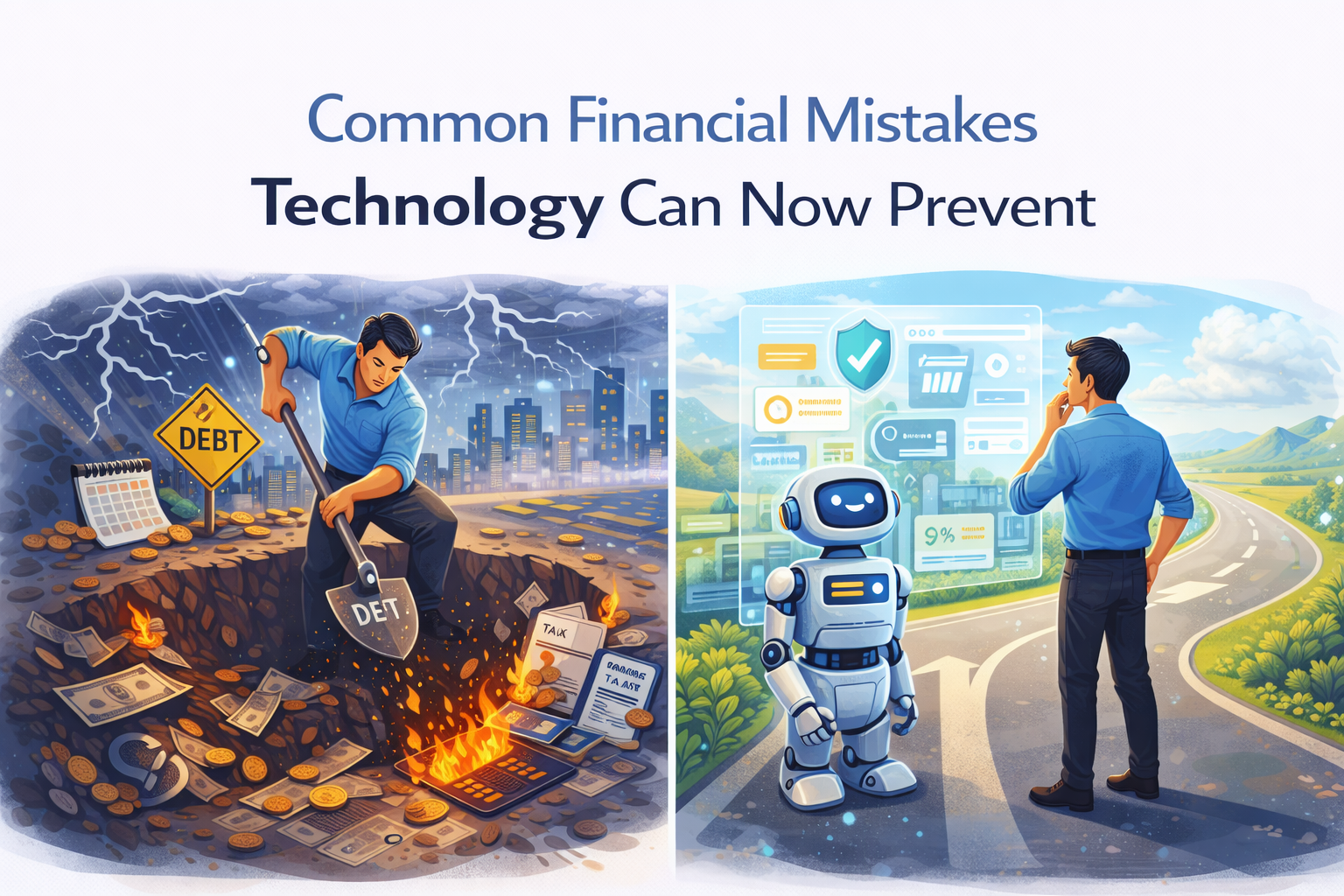
The investor’s greatest enemy is emotion: fear during market crashes and euphoria during peaks. Technology operates with statistical logic and cold discipline. Automated systems follow clear rules, rebalancing portfolios and maintaining strategies even during high volatility. While this doesn’t guarantee profit, it drastically reduces impulsive decisions that typically lead to capital erosion.
The Hybrid Future: Humans and Machines
Despite these advances, technology does not completely replace the human factor. Financial decisions are not purely mathematical; they involve deep personal values, complex family situations, and legacy planning. In cases such as estate management or intricate tax sheltering, the human advisor remains essential.
The future points toward a Hybrid Model: algorithms manage daily operations and execution, while human experts provide high-level strategic guidance and emotional support during life’s major transitions. This “Cyborg Advisory” approach offers the best of both worlds: the efficiency of a machine and the empathy of a human.
Conclusion: Your Financial Future in Your Pocket
Technology has transformed money management from a luxury service into an integrated digital utility. When used with criteria, these digital advisors promote better habits, greater discipline, and more informed decisions. In this new era, learning to coexist with these digital mentors is not just an option—it is a competitive advantage for those seeking long-term stability and growth. Your digital advisor is always awake, always analyzing, and always ready to help you navigate the complexities of the global economy.