Financial Prevention: Why Being Insured is a Pillar of Stability
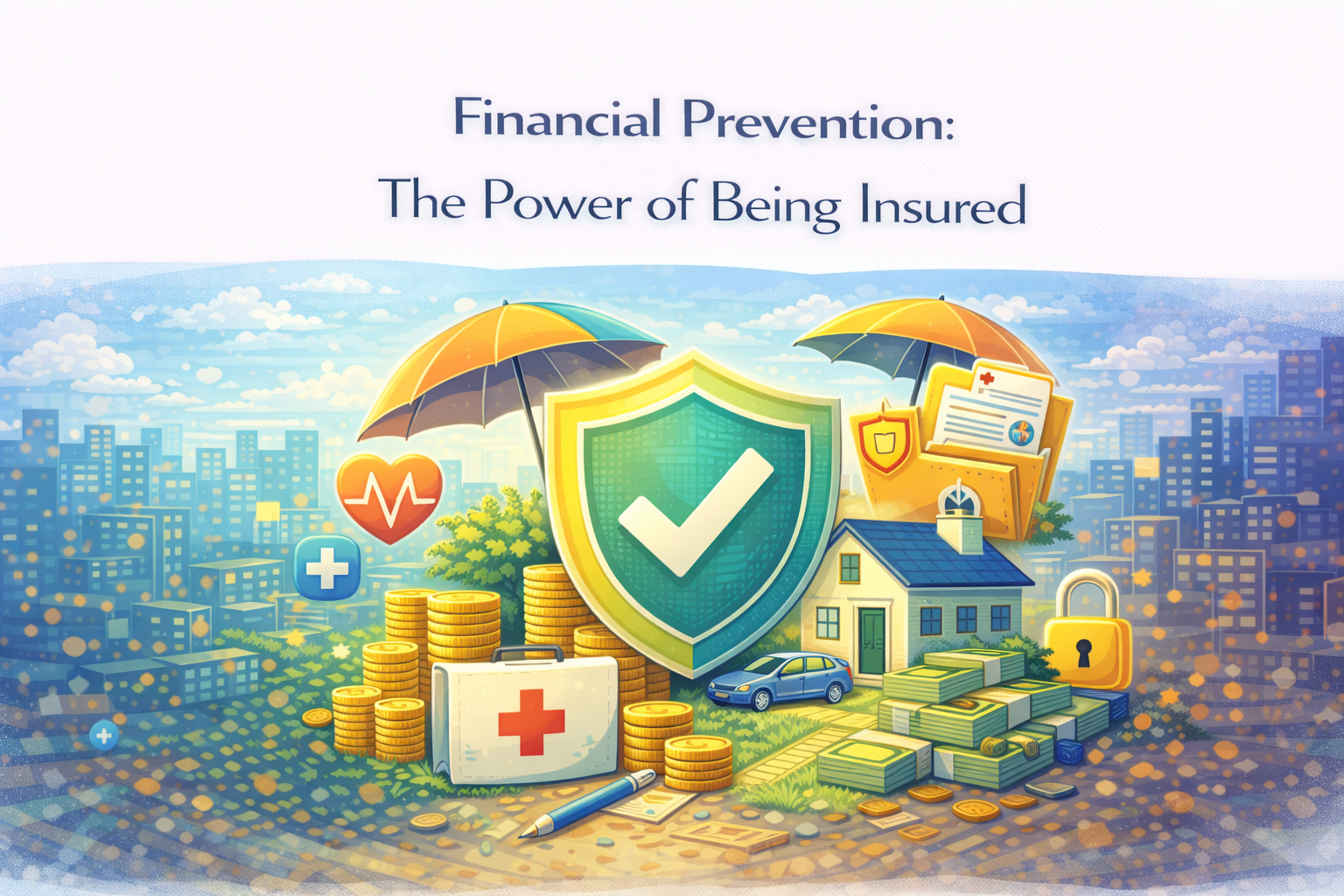
When people talk about economic stability, most think of saving and investing. However, there is an equally important pillar that is often overlooked: financial prevention. Being insured is not just a formality or a mandatory expense; it is a key strategy to protect your wealth, income, and family well-being against unexpected events that can have a devastating impact on your finances.
What is Financial Prevention?
Financial prevention consists of anticipating risks that can affect your economic situation and establishing mechanisms to reduce their consequences. These risks can include illnesses, accidents, property damage, loss of income, or legal liabilities. In this context, insurance functions as a protection net that prevents an unexpected event from turning into a prolonged financial crisis. It doesn’t eliminate the problem, but it does prevent the cost from falling entirely on your pocket.
To truly master prevention, one must understand the Psychology of Risk. Humans often suffer from Optimism Bias—the belief that “it won’t happen to me.” This cognitive trap leads many to postpone insurance, viewing it as a “sunk cost” rather than an investment in resilience. However, in the real economy, risks are not rare; they are statistically inevitable. Without a preventive strategy, a single emergency can force you to liquidate long-term investments at the worst possible time, effectively destroying years of compound interest growth.
Protecting Your Life Plan from the Inevitable
Every person has a financial project: buying a home, educating children, starting a business, or retiring peacefully. All these plans require stability. Insurance allows the overall plan to remain intact even when a serious event occurs. For example, disability insurance protects your income when you cannot work, and life insurance protects your family if you can no longer generate that income.
The goal is not just to pay for a claim, but to maintain the Economic Continuity of the household. In the modern era, we must also consider Cyber-Resilience as part of this protection. As our financial lives move online, identity theft or digital fraud can be just as devastating as a physical accident. Modern prevention now includes “Digital Identity Insurance” to protect the data that serves as the gateway to your wealth. This systemic approach ensures that your “Life Plan” is shielded from both physical and virtual threats.
Key Types of Protection in a Preventive Strategy
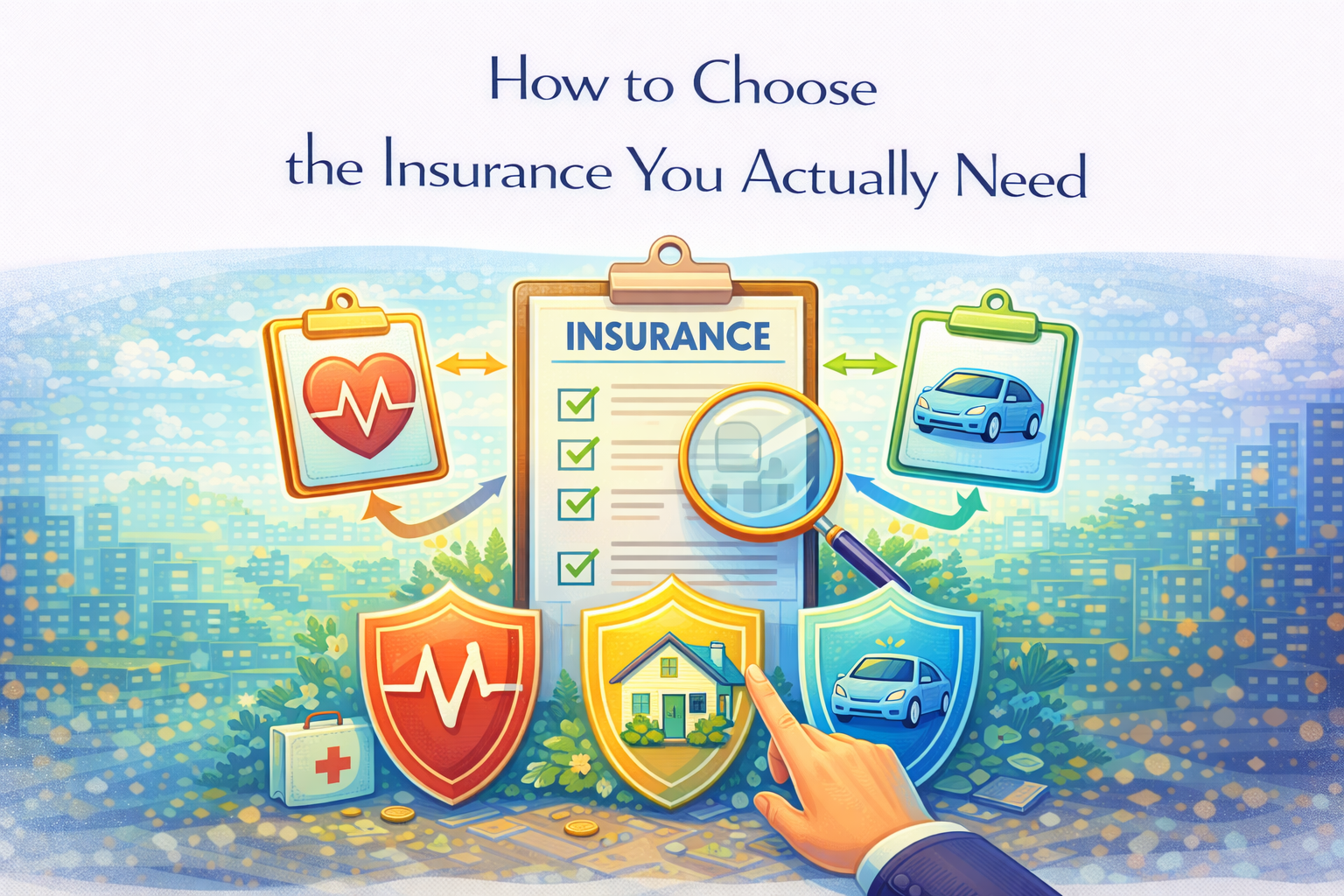
A basic financial prevention strategy usually includes several key areas:
- Health: Medical expenses are a leading cause of family debt. Insurance drastically reduces the impact of treatments and hospitalizations.
- Life: Crucial when there are financial dependents, protecting them from the loss of the primary breadwinner.
- Home: Protecting your most valuable asset against fire, natural disasters, or theft avoids difficult-to-recover losses.
- Income: Your ability to earn is your greatest asset. Disability insurance covers the risk of being unable to work due to illness or accident.
Smart prevention is not about having every policy available; it is about Risk Mapping. You should insure risks that have a low probability of occurring but a high financial impact (like a total house loss) while “self-insuring” small, high-frequency risks through an emergency fund. This balance prevents you from being “insurance poor”—where premiums eat into your ability to save and invest—while ensuring you aren’t “risk exposed.”
The Invisible Benefit: Emotional and Financial Peace
Beyond the money, being insured provides emotional peace of mind. Knowing that you and your family are protected reduces stress and allows you to make long-term decisions with greater confidence. This tranquility directly influences labor productivity and your willingness to undertake personal or professional projects.
Furthermore, the cost of not being insured is almost always higher than the premiums paid over a decade. Insurance acts as a Transfer of Risk, where small, regular contributions prevent massive, concentrated financial losses. It is a dynamic process; as your life changes—marriage, children, or career growth—your protection strategy must evolve. Reviewing policies every few years ensures you are neither under-insured nor paying for unnecessary coverage.
Conclusion: Integrating Protection, Saving, and Investment
A solid financial plan combines three elements: Saving for short-term goals, Investment for long-term growth, and Protection to ensure the first two aren’t interrupted by a crisis. When one of these pillars is missing, the entire system becomes fragile.
Financial prevention is not a pessimistic attitude, but an intelligent strategy. Being insured means accepting that life is unpredictable and taking steps so those surprises do not destroy years of effort. The power of insurance lies in conserving stability and protecting those who depend on you, ensuring your project for the future stays on track regardless of the obstacles.