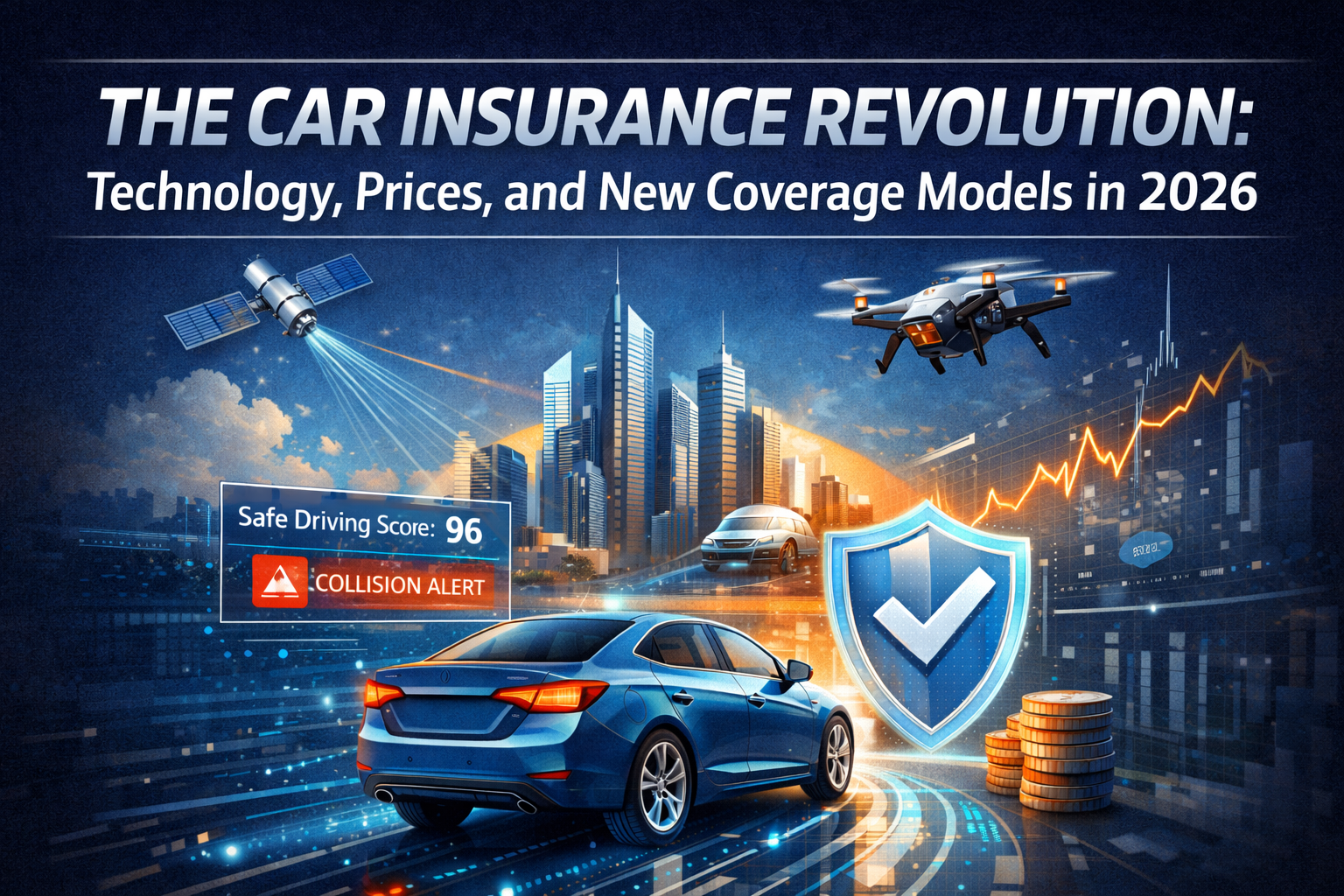
The auto insurance sector is undergoing a profound transformation driven by technological innovation, rising repair costs, and shifting mobility habits. What was once a relatively standardized product is evolving today into more personalized, dynamic models adapted to driver behavior. These changes are redefining how premiums are calculated, which risks are covered, and the types of services policyholders expect in an increasingly complex automotive landscape.
Vehicle Technology and Its Financial Impact
Modern automobiles incorporate an increasing array of electronic systems, sensors, cameras, and advanced software. Technologies such as automatic emergency braking, lane-keeping assistance, and permanent connectivity have significantly improved road safety, reducing certain types of collisions. However, a paradoxical effect has emerged: while accidents may be less frequent, they have become exponentially more expensive to resolve.
When a minor collision occurs, the repair costs are much higher than in traditional vehicles. Replacing a bumper is no longer just a matter of plastic and paint; it now involves the replacement of sensitive sensors and the mandatory ADAS Recalibration. This technical requirement ensures that the vehicle’s safety software “sees” the road correctly. If a camera is off by just a fraction of a degree, the automated braking system could fail. Consequently, the average severity of claims has skyrocketed. Furthermore, the rise of Electric Vehicles (EVs) introduces unique risks, such as the high cost of lithium-ion battery packs—which often represent 40% of the vehicle’s value—and the scarcity of specialized technicians, all of which exert upward pressure on insurance premiums.
Inflationary Pressure and the Premium Surge
The rise in auto insurance premiums is not explained solely by technology. General inflation, the rising cost of spare parts, global supply chain disruptions, and increased labor costs have all heightened the expenditure for insurers per claim. Additionally, many regions have seen an uptick in vehicle thefts and sophisticated insurance fraud, further elevating the risk profile for companies.
To maintain profitability, many insurers are forced to adjust their rates, increase deductibles, or limit specific coverages. For drivers, this means allocating a larger portion of their household budget to mandatory insurance. This environment reinforces the need for Financial Literacy and the use of digital comparison tools to understand the granular details of what a policy actually covers. We are moving away from a “set it and forget it” mentality toward a more active management of automotive risk.
Usage-Based Insurance (UBI) and Telematics
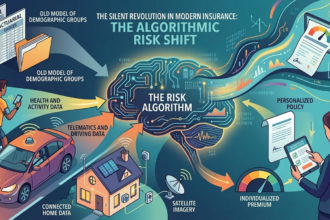
One of the most relevant shifts in the sector is the emergence of insurance based on behavior and vehicle usage. These models, known as “Pay How You Drive” (PHYD) or “Pay As You Drive” (PAYD), utilize telematics devices or mobile applications to analyze driving habits, distance traveled, time of day, and braking intensity.
Prudent drivers with low annual mileage can access significantly lower premiums, while those with high-risk profiles pay rates that reflect their actual probability of an accident. While this aligns price with real risk, it has sparked an intense debate regarding Data Sovereignty and Algorithmic Privacy. Who owns the data generated by your car? In 2026, new regulations are beginning to address the “Black Box” nature of these algorithms to ensure that drivers are not unfairly penalized by opaque automated scoring systems. This shift represents a transition from traditional actuarial science to Real-Time Risk Engineering.
Flexibility, Shared Mobility, and the Concept of Ownership
Another trend is the modularization of policies. Instead of rigid packages, insurers now offer flexible coverages that allow customers to choose specific protections, such as roadside assistance, glass coverage, or legal defense. This is particularly important as the concept of car ownership evolves. The growth of Carsharing, subscription models, and ride-hailing platforms is changing who is responsible for the insurance.
In these models, the primary insurance often lies with the service provider, but users may still require Gap Coverage or personal liability riders. This forces insurers to develop products for “intermittent” drivers. Moreover, as we move toward Level 4 and Level 5 Autonomous Driving, the industry faces a massive Liability Shift. If a self-driving car crashes due to a software glitch, is the “passenger” liable, or is it the software developer? This legal gray area is currently redefining the very foundation of tort law and insurance underwriting.
Digital Experience and Cibersecurity
The relationship between insurers and clients is also becoming purely digital. From AI-driven damage assessments via smartphone photos to automated claims processing, the speed of resolution has increased. However, this digitalization introduces Cyber-Risk. Modern cars are essentially “computers on wheels,” and the threat of a vehicle being hacked or a fleet’s data being compromised is a new frontier for insurance coverage. Insurers are now bundling “Cyber-Protection” for vehicles, recognizing that a software breach can be just as damaging as a physical collision.
Conclusion: A Proactive Future for Drivers
Auto insurance is no longer a static product. The combination of high-tech repairs, behavioral data, and new mobility habits is redefining risk management. For drivers, staying informed is the best way to control costs. Maintaining a clean driving record, understanding the technical features of your vehicle, and embracing telematics can lead to substantial savings.
The insurers that will lead the market are those that can successfully balance innovation with transparency. As the sector evolves, the goal remains the same: to provide a safety net that is flexible, fair, and capable of adapting to a world where the car is no longer just a machine, but a connected data hub.