
Automated investing: opportunities and risks of relying on AI models
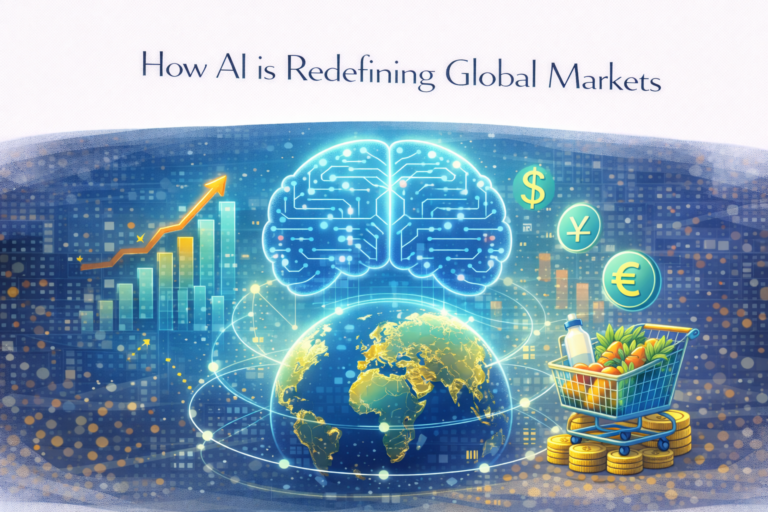
Automated investing, powered by artificial intelligence (AI) systems, is reshaping how individuals and institutions participate in financial markets. What was once a space dominated by human analysts, brokerage firms, and active portfolio managers is increasingly influenced by algorithms capable of processing vast amounts of information in seconds. From automated trading platforms to digital advisors that manage portfolios without direct human intervention, technology now promises greater efficiency, discipline, and access to sophisticated strategies that were once limited to large investment funds.
This transformation is not merely technological; it represents a structural shift in how financial decisions are made. Investors today operate in markets that generate enormous volumes of data every second. Prices fluctuate constantly, economic indicators evolve rapidly, and global events can alter market sentiment within minutes. AI-driven systems are designed to handle this complexity, analyzing patterns and executing strategies at a scale and speed far beyond human capabilities. However, while automation offers numerous advantages, relying heavily on AI models also introduces new forms of risk that are not always obvious to the average investor.
Understanding automated investing
Automated investing refers to the use of computer-based systems that execute buy and sell decisions according to pre-programmed rules. These rules may follow simple structures, such as rebalancing a portfolio when asset allocations drift from target percentages, or they may involve advanced machine learning techniques that evaluate market patterns, economic signals, and behavioral trends.
In practice, automation operates at multiple levels. Robo-advisors represent one of the most accessible forms, creating diversified portfolios tailored to an investor’s goals and risk tolerance. These platforms automatically adjust asset allocations over time, reinvest dividends, and maintain balance without requiring continuous supervision.
At a more complex level, algorithmic trading systems conduct high-frequency operations based on technical signals, macroeconomic indicators, and even sentiment analysis derived from financial news and social media. These strategies aim to capture short-term opportunities by reacting to market movements almost instantaneously.
Key advantages of investment automation
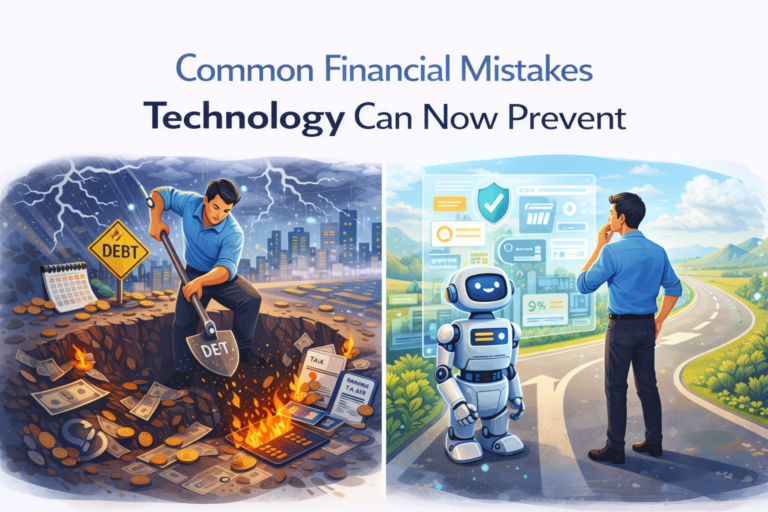
One of the most significant benefits of automated investing is the removal of emotional bias. Human investors are often influenced by fear during market downturns or overconfidence during bull markets. Such emotional reactions can lead to poor timing decisions, including selling assets at losses or chasing overpriced investments.
AI-driven systems operate according to objective data and pre-established rules, maintaining discipline even in volatile environments. This consistency can help reduce impulsive decisions that frequently undermine long-term financial performance.
Speed of execution is another major advantage. Automated systems can react to market fluctuations within milliseconds, a level of responsiveness impossible for human traders. In highly liquid markets, these time differences can substantially influence profitability.
AI also enhances data analysis capabilities. Algorithms can process thousands of financial variables simultaneously, including price trends, earnings reports, macroeconomic indicators, and global events. This analytical depth allows for more complex strategies and more accurate assessments of risk exposure.
For individual investors, automation also democratizes access to professional portfolio management techniques. Diversification strategies, automatic rebalancing, and optimization models are now available at relatively low costs, removing barriers that once limited advanced investing to wealthy clients.
Risks of relying on AI-based models
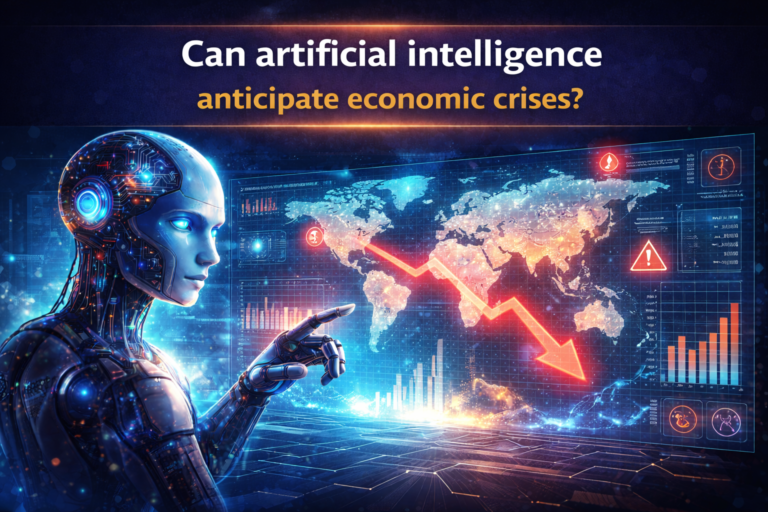
Despite these advantages, automated investing carries important risks. AI systems rely heavily on historical data, which means they may struggle when markets experience unprecedented conditions such as geopolitical crises, sudden regulatory changes, or unexpected economic shocks.
Another common challenge is overfitting. A model may perform extremely well when tested against past data but lose predictive power when new market conditions arise. This creates a misleading sense of reliability and may expose investors to unexpected losses.
Lack of transparency is also a major concern. Many advanced AI systems operate as “black boxes,” making it difficult for users to understand why specific investment decisions are made. Without clear explanations, investors may find it challenging to evaluate whether strategies align with their financial objectives and risk tolerance.
Market-wide effects also present systemic risks. When many institutions adopt similar AI-driven strategies, simultaneous algorithmic reactions to market signals can amplify volatility, causing rapid price swings and liquidity disruptions.
Operational and technological vulnerabilities
Beyond market risks, automated investing systems face technical vulnerabilities. Software errors, system outages, or connectivity failures can lead to unintended trades and financial losses. Because transactions are executed automatically and often at high volumes, even minor technical issues can escalate rapidly.
Cybersecurity threats further complicate the landscape. Digital investment platforms are attractive targets for cyberattacks, potentially exposing sensitive financial information and client assets. Ensuring robust security protocols is therefore essential for both institutions and individual users.
For this reason, even large financial firms that rely heavily on AI maintain human oversight teams to monitor algorithms, implement safeguards, and intervene when abnormal behavior is detected.
The investor’s role in an automated environment
While automation simplifies many processes, investors should not adopt a completely passive attitude. Understanding how a platform operates, recognizing its limitations, and reviewing performance regularly remain essential responsibilities.
Automated systems perform best when integrated into a broader financial plan that includes clear objectives, defined investment horizons, and realistic risk assessments. Not every automated strategy suits every investor profile.
Moreover, no algorithm guarantees consistent returns. AI can enhance efficiency and reduce human error, but it cannot eliminate the fundamental uncertainty inherent in financial markets.
A complementary tool, not a full replacement
The future of investing will likely involve a balanced combination of technology and human judgment. Hybrid approaches, where algorithms support analysis while humans guide strategic decisions, tend to produce more stable outcomes.
Artificial intelligence should therefore be viewed as a powerful tool rather than a promise of guaranteed success. Investors who understand both the benefits and the limitations of automation are better positioned to leverage its advantages responsibly.
As technology continues to evolve, financial education and transparency will become increasingly important. Responsible use of automated investing systems can help investors navigate complex markets more efficiently while maintaining control over their long-term financial goals.