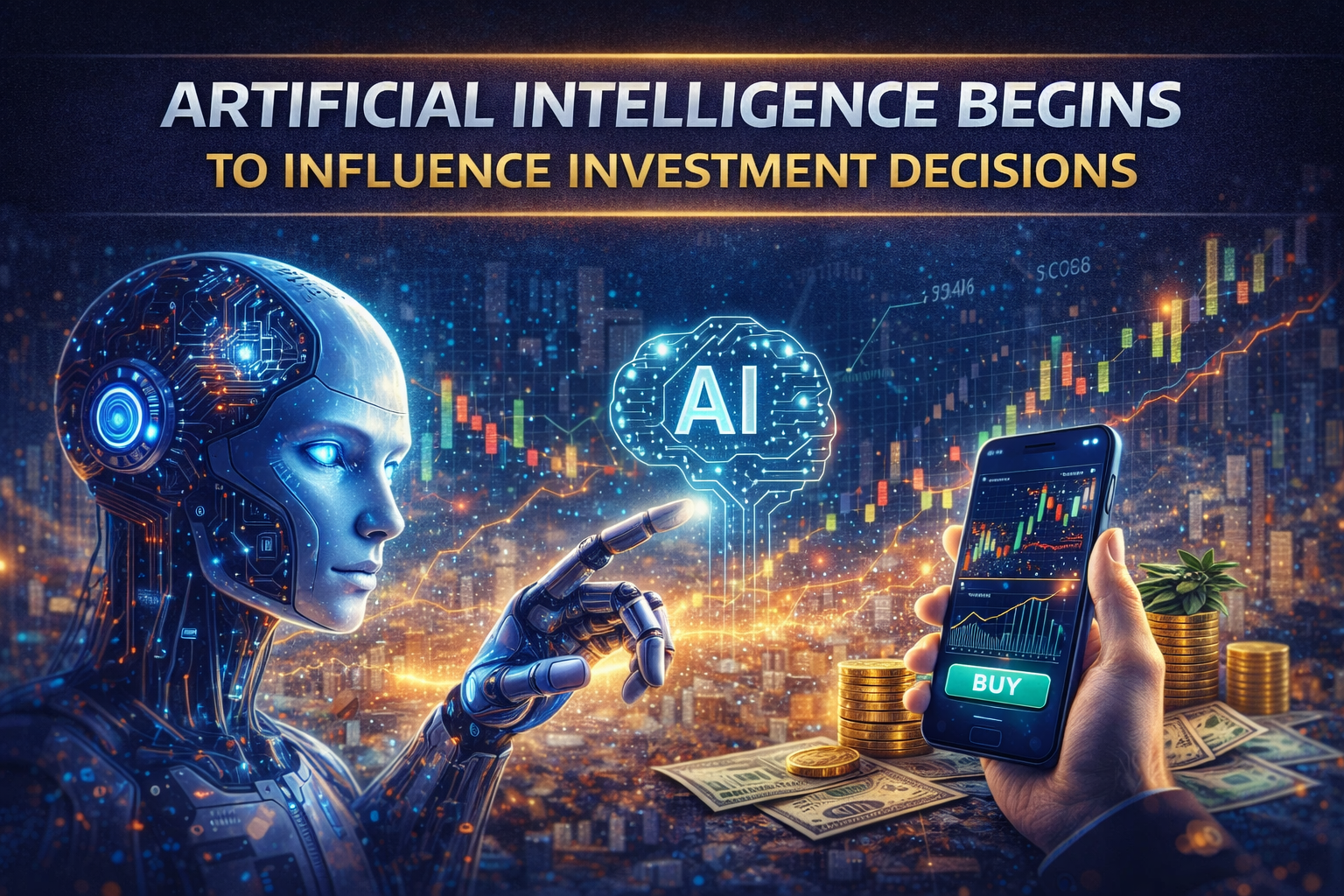
Artificial intelligence begins to influence investment decisions
Artificial intelligence is no longer a futuristic concept limited to research laboratories or large technology corporations. It has rapidly become a transformative force within global financial markets. From portfolio management to risk analysis, AI-driven systems are reshaping how investment decisions are made, allowing both institutions and individual investors to operate with greater speed, precision, and efficiency.
In today’s data-saturated environment, traditional decision-making methods are often insufficient. Markets generate enormous volumes of information every second, including price movements, corporate reports, economic indicators, and global news. Artificial intelligence provides the computational power needed to process this information in real time, turning raw data into actionable insights that help investors respond faster and more strategically.
From Traditional Analysis to Intelligent Systems
Investment strategies have historically relied on fundamental analysis, technical indicators, and the professional experience of portfolio managers. Analysts would study company financial statements, evaluate economic indicators, and examine price charts to forecast potential market movements.
AI enhances these traditional methods rather than replacing them entirely. Machine learning algorithms can scan massive datasets, detect hidden correlations, and recognize patterns that humans might overlook. These systems learn continuously, improving their accuracy as new data becomes available. As a result, investment strategies become more adaptive and responsive to changing market conditions.
Algorithmic Trading and Market Speed
One of the most prominent applications of AI in finance is algorithmic trading. These automated systems execute buy and sell orders based on pre-programmed rules and real-time data analysis. Unlike human traders, algorithms can operate continuously and react within milliseconds to market fluctuations.
This speed provides a competitive advantage, especially in highly volatile markets where timing is critical. AI-driven trading platforms can monitor multiple assets simultaneously, identify arbitrage opportunities, and execute transactions at optimal prices with minimal delay.
Predictive Analytics and Risk Assessment
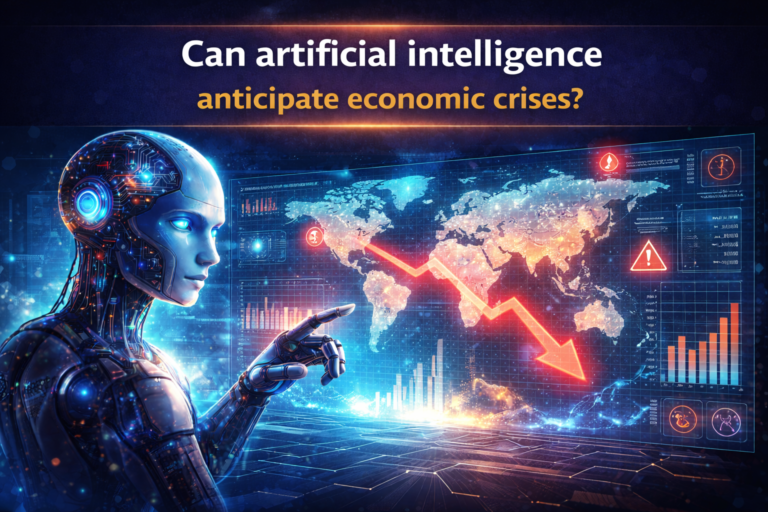
Artificial intelligence also plays a crucial role in forecasting potential market scenarios. Predictive models analyze historical data to estimate probabilities of future price movements, shifts in volatility, and sector performance trends. While these forecasts are not infallible, they allow investors to prepare for multiple outcomes and build more resilient portfolios.
Risk management becomes more sophisticated through AI systems capable of monitoring thousands of variables at once. When unusual market behavior is detected, automated adjustments can be made to reduce exposure and protect investments from severe losses.
Sentiment Analysis and Market Psychology
Financial markets are strongly influenced by human emotions, public perception, and media narratives. AI-powered sentiment analysis tools examine news articles, corporate statements, and social media discussions to measure the overall mood surrounding specific companies or industries.
By quantifying optimism or pessimism, these systems help investors anticipate potential price movements before they are fully reflected in the market. This provides a strategic edge, particularly during periods of uncertainty when emotions drive rapid fluctuations.
Expanding Access Through Financial Technology
Until recently, sophisticated AI tools were available primarily to large hedge funds and institutional investors with advanced technological resources. However, the growth of financial technology platforms has democratized access to intelligent investment solutions.
Robo-advisors now help individuals create diversified portfolios based on personal goals and risk tolerance. Automated rebalancing ensures asset allocations remain aligned with investment strategies over time. AI-powered applications also provide performance analysis, financial planning assistance, and personalized investment suggestions at significantly lower costs than traditional advisory services.
This accessibility is narrowing the gap between professional and retail investors, making advanced financial strategies more inclusive.
Reducing Emotional Bias in Decision-Making
Human psychology often interferes with rational investment behavior. Fear can trigger panic selling during downturns, while overconfidence may encourage excessive risk-taking during bull markets.
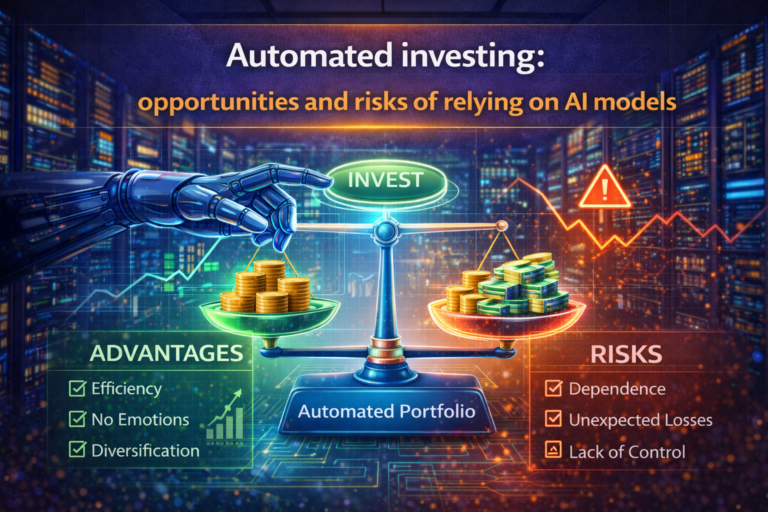
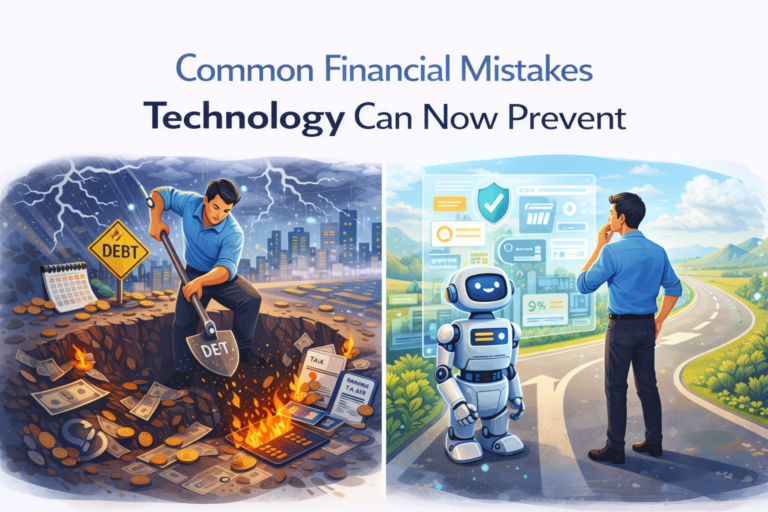
AI systems operate according to objective data and predefined rules, removing emotional influence from trading decisions. This disciplined approach promotes consistency and reduces costly mistakes caused by impulsive reactions.
By maintaining logical strategies regardless of market sentiment, AI contributes to more stable long-term performance.
Limitations and Technological Risks
Despite its advantages, artificial intelligence is not a flawless solution. Most AI models rely on historical data, which means they may struggle to respond accurately to unprecedented events such as geopolitical conflicts or unexpected regulatory changes.
Another concern is overfitting, where models become too closely tailored to past patterns and lose predictive effectiveness in new situations. This can create false confidence in projected outcomes.
Transparency also presents challenges. Some advanced machine learning systems operate as “black boxes,” making it difficult to understand how specific decisions are reached. This lack of clarity raises concerns for regulators and investors seeking accountability.
Furthermore, if many institutions rely on similar AI-driven strategies, markets could experience exaggerated volatility when algorithms react simultaneously to identical signals.
Human Expertise Remains Essential
While AI significantly enhances analytical capabilities, it does not eliminate the need for human oversight. Complex political developments, regulatory environments, and macroeconomic shifts often require contextual understanding beyond the reach of algorithms.
For this reason, many investment firms adopt hybrid models that combine technological efficiency with human judgment. AI systems generate recommendations, but experienced professionals evaluate broader implications before executing major decisions.
Individual investors also benefit most when AI tools complement — rather than replace — financial education and strategic planning.
A New Era of Intelligent Investing
The integration of artificial intelligence into financial markets represents a fundamental transformation in investment practices. As these technologies continue to evolve, their influence will expand across asset management, risk evaluation, and strategic planning.
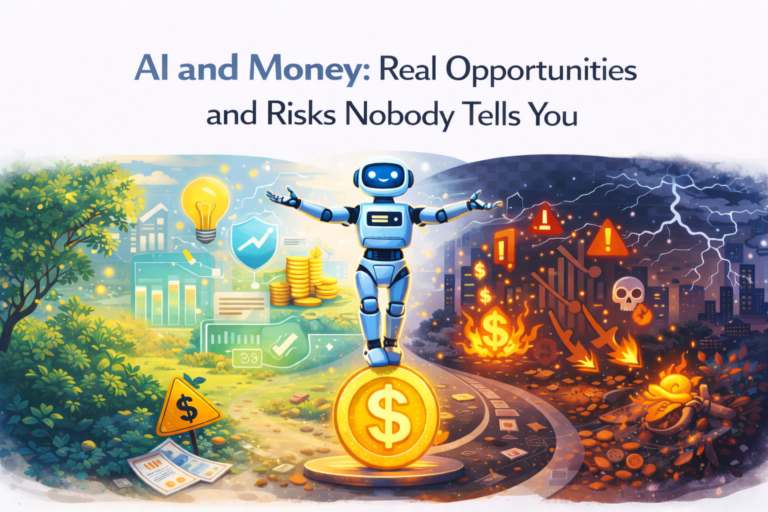
However, successful investing in the AI era depends on balance. Technology must be combined with sound financial principles, disciplined risk management, and clearly defined objectives.
Artificial intelligence is not a shortcut to guaranteed profits, but it is an increasingly powerful ally. Investors who understand how to integrate AI tools effectively will be better positioned to navigate modern markets that are faster, more competitive, and more complex than ever before.